

Sleep is one of those things most people don’t think much about until it starts going wrong. A rough night here and there is normal, especially with work stress or a busy home life. But when poor sleep becomes a pattern, it can quietly chip away at your health in ways that are easy to miss.
For many Australian men, the problem isn’t just a lack of sleep. It’s a condition called sleep apnoea, and it often goes undiagnosed for years.
What Is Sleep Apnoea, Really?
Sleep apnoea is a disorder where your breathing repeatedly stops and starts while you sleep. These pauses can last for seconds at a time, sometimes longer, and they can happen dozens of times each hour.
The most common form is obstructive sleep apnoea. This happens when the muscles at the back of the throat relax too much, causing the airway to narrow or collapse. Even though your body is trying to breathe, the airflow is restricted.
Most people don’t remember these interruptions. What they do notice is how they feel the next day.
Why It’s So Common in Men
Sleep apnoea affects both men and women, but men are significantly more likely to develop it. There are a few reasons for this, and they tend to overlap.
Fat distribution plays a role. Men are more likely to carry weight around the neck and upper body, which can put pressure on the airway. Anatomy also matters, as airway size and structure can differ.
Lifestyle factors can’t be ignored either. Alcohol consumption, long work hours, and irregular sleep patterns are all common contributors, particularly in busy Australian households.

The Symptoms That Get Overlooked
One of the biggest challenges with sleep apnoea is how easy it is to dismiss the symptoms. Many men simply push through, assuming it’s part of getting older or working hard.
Snoring is often the first sign. Not just occasional snoring, but loud, persistent snoring that can disrupt others in the house.
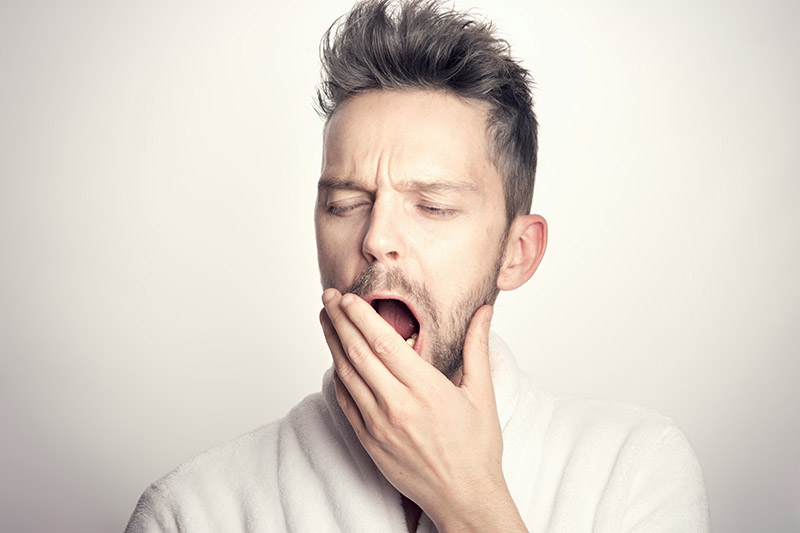
Daytime fatigue is another big one. Feeling tired despite a full night in bed can become the norm, which makes it harder to recognise that something isn’t right.
There can also be more subtle signs. Trouble concentrating at work, irritability, or waking up with a dry mouth or headache are all clues that the body isn’t getting proper rest.
The Role of Your Sleep Partner
In many cases, it’s not the person with sleep apnoea who first notices the problem. It’s their partner.
Gasping, choking, or long pauses in breathing during the night can be alarming to witness. These episodes often occur without the person fully waking, which is why they go unnoticed.
If someone close to you has mentioned your snoring or breathing patterns, it’s worth taking seriously. It’s not just about noise. It’s about what’s happening beneath the surface.
What Happens Inside the Body
When breathing stops during sleep, oxygen levels in the blood drop. The brain senses this and briefly wakes the body to restart breathing.
These awakenings are usually so short that you don’t remember them. But they disrupt the natural sleep cycle over and over again.
Deep sleep and REM sleep are the stages where the body repairs itself. When these stages are interrupted, the effects build up over time.
Why It’s More Than Just Feeling Tired
It’s easy to think of sleep apnoea as a nuisance rather than a health issue. The reality is more serious.
Repeated drops in oxygen put stress on the heart and blood vessels. Over time, this increases the risk of high blood pressure and cardiovascular disease.
There’s also a link between sleep apnoea and metabolic issues. Poor sleep can affect how the body regulates blood sugar and appetite.
Hormones are affected as well. Testosterone production, which relies heavily on quality sleep, can decline when sleep is constantly disrupted.

The Impact on Everyday Life
Beyond the medical risks, sleep apnoea can quietly affect day-to-day living. Energy levels drop, motivation dips, and simple tasks can feel harder than they should.
Work performance can suffer. Concentration becomes inconsistent, and decision-making can feel slower or less clear.
Relationships can also be affected. Snoring alone can disrupt a partner’s sleep, and ongoing fatigue can lead to mood changes or irritability.
Over time, these small impacts can add up in ways that are difficult to trace back to sleep.
When Should You Take Action?
There’s no single moment where sleep apnoea suddenly becomes serious. It tends to develop gradually.
If you’re consistently waking up tired, relying on caffeine to get through the day, or hearing repeated comments about your snoring, it’s worth looking into.
You don’t need to wait for severe symptoms. Early investigation can make a significant difference, both in how you feel and in preventing long-term health issues.
How Sleep Apnoea Is Diagnosed
The process is more straightforward than many people expect. A doctor will usually start by discussing your symptoms and sleep habits.
From there, a sleep study may be recommended. This can often be done at home using portable equipment that monitors breathing, oxygen levels, and sleep patterns.
The results provide a clear picture of what’s happening overnight. From there, treatment options can be tailored to your situation.
Treatment Is More Manageable Than You Think
Hearing that you need treatment for sleep apnoea can feel confronting at first. The good news is that there are effective options available, and many are simpler than expected.
One of the most common treatments is CPAP therapy. This involves a machine that delivers a steady stream of air through a mask, helping to keep the airway open during sleep.
It might take a short adjustment period, but many people notice a significant improvement in how they feel within days.
Lifestyle Changes Still Matter
While medical devices can be highly effective, lifestyle adjustments can also play a role.
Reducing alcohol intake, especially in the evening, can help prevent airway relaxation during sleep. Maintaining a healthy weight can reduce pressure on the airway.
Even small changes to sleep position can make a difference in some cases. Sleeping on your side rather than your back may help keep the airway more open.
These changes don’t replace medical treatment when it’s needed, but they can support overall improvement.
The Link to Mental Health
Sleep and mental health are closely connected. When sleep quality drops, mood often follows.
Chronic fatigue can lead to increased stress, lower resilience, and a reduced sense of well-being. Over time, this can contribute to anxiety or depression.
Addressing sleep apnoea often leads to improvements not just in physical health, but in mental clarity and emotional balance as well.
Why Men Tend to Delay Getting Help
There’s a pattern that shows up often in men’s health. Symptoms are noticed, but action is delayed.
Part of this comes down to perception. Snoring and tiredness are often seen as normal or harmless, rather than signs of an underlying issue.
There can also be a tendency to push through discomfort rather than investigate it. Unfortunately, this can allow conditions like sleep apnoea to progress unchecked.
The Long-Term Benefits of Treatment
When sleep apnoea is properly managed, the changes can be noticeable. Energy levels improve, and waking up refreshed becomes the norm rather than the exception.
Concentration and productivity often increase. Many people find they’re more focused and less reliant on stimulants like caffeine.
There are also long-term health benefits. Reducing strain on the heart and improving oxygen levels during sleep can lower the risk of serious complications down the track.
A Condition Worth Taking Seriously
Sleep apnoea doesn’t always feel urgent. It builds slowly, and the symptoms can seem manageable at first.
But over time, the impact becomes harder to ignore. What starts as snoring and fatigue can develop into something that affects nearly every aspect of health.
The key is recognising the signs early and taking them seriously. It’s not just about better sleep. It’s about better overall health.
Taking the First Step
If any of this sounds familiar, the next step doesn’t need to be complicated. A simple conversation with a healthcare provider can point you in the right direction.
Getting answers is often easier than expected, and the potential benefits are significant.
Better sleep has a ripple effect. It supports energy, focus, mood, and long-term well-being.
For many men, addressing sleep apnoea is one of the most impactful health decisions they can make.
Dr Clem Bonney & Sleep Apnoea
Dr Clem Bonney can assist with recognising, investigating, and treating sleep apnea. Dr Bonney can also assist with developing a plan to assist with the impact of a sleep apnea diagnosis on your employment and driver licensing requirements. The condition can have significant impacts on a person's physical and emotional well-being, highlighting the importance of early and comprehensive treatment.